
Fort Collins, Colorado · Copier Repair Service
Copier Repair Services in Fort Collins, CO
Certified copier repair for offices, schools, clinics and commercial organizations throughout Fort Collins and Northern Colorado.
- Certified Repair Technicians
- Fast Response Times
- Commercial Office Specialists
- Preventive Maintenance Plans
- Honest Pricing
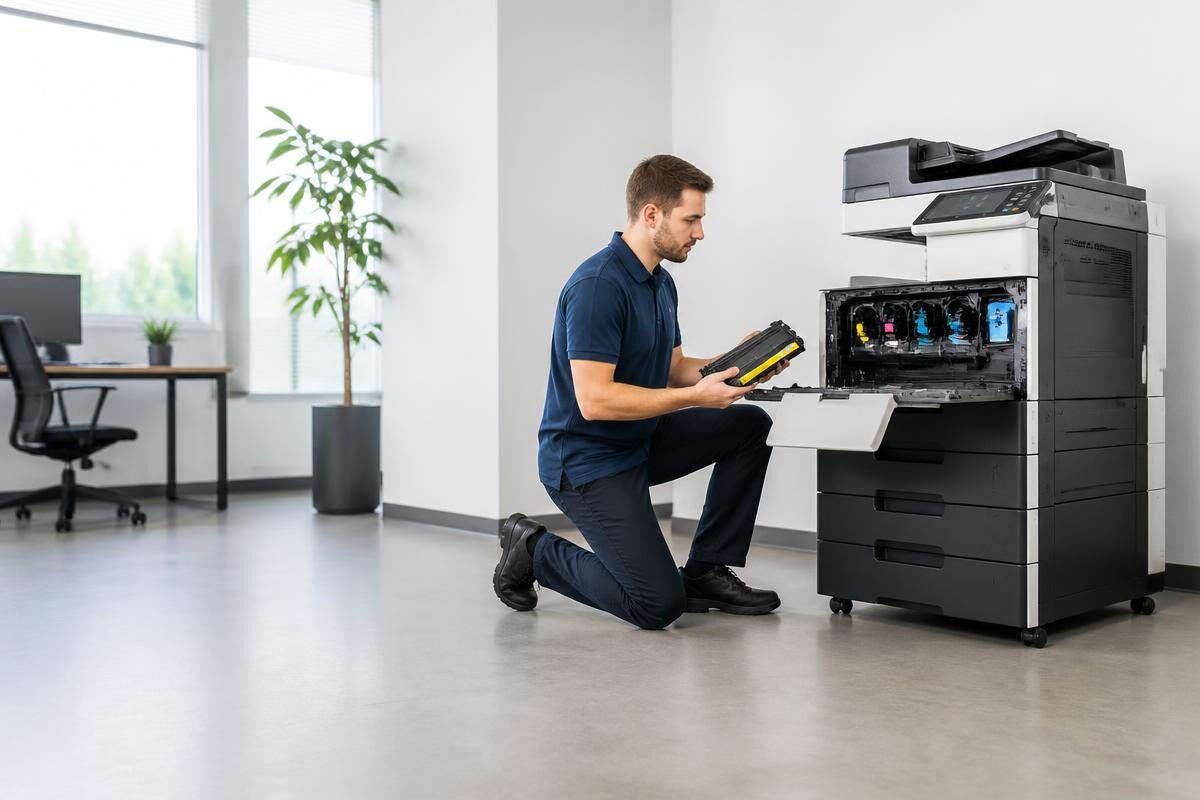
Older equipment is not automatically written off; when parts availability and cost-per-page still make sense, a rebuild is often the smarter financial decision. When replacement genuinely is the better answer, we quantify it with real numbers rather than sales pressure, comparing repair cost against lifetime cost-per-page. We record error codes, page counts, coverage ratios and maintenance-kit intervals for each machine, which allows us to predict failures before they interrupt a workday. We document each repair in writing with parts used, labor performed, meter readings and any recommendations, so facility managers keep an auditable equipment history. Security-conscious offices ask us to configure hard-drive encryption, secure print release, user authentication and end-of-life data wiping on their imaging devices. Humidity, paper storage and media weight have an outsized effect on reliability in Colorado's dry climate, and we adjust tray settings and stock recommendations accordingly.
Fusing assemblies, transfer belts and drum units all have documented yield ratings, and we compare actual counts against manufacturer specifications during every visit. Consumable logistics are simplified with automated toner replenishment, so nobody is hunting for a cartridge at four in the afternoon before a client deadline. Paper path components wear on a predictable curve, and replacing pickup tires, separation pads and registration rollers on schedule eliminates the majority of jam complaints. We document each repair in writing with parts used, labor performed, meter readings and any recommendations, so facility managers keep an auditable equipment history. Image quality complaints such as banding, streaking, ghosting, background toner or faded output usually trace back to a small number of components that we test individually. Humidity, paper storage and media weight have an outsized effect on reliability in Colorado's dry climate, and we adjust tray settings and stock recommendations accordingly.
We record error codes, page counts, coverage ratios and maintenance-kit intervals for each machine, which allows us to predict failures before they interrupt a workday. Paper path components wear on a predictable curve, and replacing pickup tires, separation pads and registration rollers on schedule eliminates the majority of jam complaints. Multi-site organizations receive consolidated reporting so a single administrator can see uptime, spend and service history for every building at once. Because we stock the most common wear parts locally, a large share of repairs across Northern Colorado are completed on the first visit rather than waiting on shipments. Firmware revisions matter more than most offices expect, especially where scanning to email or shared folders depends on modern authentication and current security protocols. Preventive maintenance visits are scheduled around your business rhythm, including early mornings, evenings and weekends for offices that cannot pause production.
What Our Copier Repair Services Process Looks Like
Security-conscious offices ask us to configure hard-drive encryption, secure print release, user authentication and end-of-life data wiping on their imaging devices. Fusing assemblies, transfer belts and drum units all have documented yield ratings, and we compare actual counts against manufacturer specifications during every visit. Preventive maintenance visits are scheduled around your business rhythm, including early mornings, evenings and weekends for offices that cannot pause production. Multi-site organizations receive consolidated reporting so a single administrator can see uptime, spend and service history for every building at once. Image quality complaints such as banding, streaking, ghosting, background toner or faded output usually trace back to a small number of components that we test individually. We document each repair in writing with parts used, labor performed, meter readings and any recommendations, so facility managers keep an auditable equipment history.
Fleet reporting shows where volume actually lands, which frequently reveals that one overworked device is causing most of the service tickets in a building. Multi-site organizations receive consolidated reporting so a single administrator can see uptime, spend and service history for every building at once. Response-time commitments are written into our maintenance agreements, and our dispatch board is built around geography so travel time stays short across the region. Fusing assemblies, transfer belts and drum units all have documented yield ratings, and we compare actual counts against manufacturer specifications during every visit. Preventive maintenance visits are scheduled around your business rhythm, including early mornings, evenings and weekends for offices that cannot pause production. Image quality complaints such as banding, streaking, ghosting, background toner or faded output usually trace back to a small number of components that we test individually.
Warranty and lease obligations are respected; we verify coverage before performing billable work so you never pay twice for the same repair. Paper path components wear on a predictable curve, and replacing pickup tires, separation pads and registration rollers on schedule eliminates the majority of jam complaints. Every technician carries manufacturer service literature and calibrated meters, which removes the trial-and-error parts swapping that inflates repair costs elsewhere. Our pricing model is transparent: you approve the diagnosis and the estimate before any billable repair work begins, and we do not invent problems to inflate an invoice. Humidity, paper storage and media weight have an outsized effect on reliability in Colorado's dry climate, and we adjust tray settings and stock recommendations accordingly. Fleet reporting shows where volume actually lands, which frequently reveals that one overworked device is causing most of the service tickets in a building.
Documentation, Reporting and Fleet Records
Image quality complaints such as banding, streaking, ghosting, background toner or faded output usually trace back to a small number of components that we test individually. Because we stock the most common wear parts locally, a large share of repairs across Northern Colorado are completed on the first visit rather than waiting on shipments. When replacement genuinely is the better answer, we quantify it with real numbers rather than sales pressure, comparing repair cost against lifetime cost-per-page. Our pricing model is transparent: you approve the diagnosis and the estimate before any billable repair work begins, and we do not invent problems to inflate an invoice. Response-time commitments are written into our maintenance agreements, and our dispatch board is built around geography so travel time stays short across the region. Network connectivity issues are isolated methodically by checking IP reservations, subnet routing, port configuration, driver versions and print-server queues in that order.
Fleet reporting shows where volume actually lands, which frequently reveals that one overworked device is causing most of the service tickets in a building. Humidity, paper storage and media weight have an outsized effect on reliability in Colorado's dry climate, and we adjust tray settings and stock recommendations accordingly. Staff training is part of the engagement, because a five-minute lesson on clearing a jam correctly prevents scratched drums and torn separation guides later. Security-conscious offices ask us to configure hard-drive encryption, secure print release, user authentication and end-of-life data wiping on their imaging devices. We document each repair in writing with parts used, labor performed, meter readings and any recommendations, so facility managers keep an auditable equipment history. We record error codes, page counts, coverage ratios and maintenance-kit intervals for each machine, which allows us to predict failures before they interrupt a workday.
Fleet reporting shows where volume actually lands, which frequently reveals that one overworked device is causing most of the service tickets in a building. Every service call begins with a structured intake so the technician arrives with the right consumables, rollers, fusers and diagnostic tooling already on the van. Paper path components wear on a predictable curve, and replacing pickup tires, separation pads and registration rollers on schedule eliminates the majority of jam complaints. Older equipment is not automatically written off; when parts availability and cost-per-page still make sense, a rebuild is often the smarter financial decision. Multi-site organizations receive consolidated reporting so a single administrator can see uptime, spend and service history for every building at once. Humidity, paper storage and media weight have an outsized effect on reliability in Colorado's dry climate, and we adjust tray settings and stock recommendations accordingly.
How to Prepare for Your Service Visit
Our pricing model is transparent: you approve the diagnosis and the estimate before any billable repair work begins, and we do not invent problems to inflate an invoice. Toner density calibration and color registration procedures are run after any component replacement so the first page out matches the last page of the run. Warranty and lease obligations are respected; we verify coverage before performing billable work so you never pay twice for the same repair. Paper path components wear on a predictable curve, and replacing pickup tires, separation pads and registration rollers on schedule eliminates the majority of jam complaints. Network connectivity issues are isolated methodically by checking IP reservations, subnet routing, port configuration, driver versions and print-server queues in that order. Consumable logistics are simplified with automated toner replenishment, so nobody is hunting for a cartridge at four in the afternoon before a client deadline.
Toner density calibration and color registration procedures are run after any component replacement so the first page out matches the last page of the run. Warranty and lease obligations are respected; we verify coverage before performing billable work so you never pay twice for the same repair. Fusing assemblies, transfer belts and drum units all have documented yield ratings, and we compare actual counts against manufacturer specifications during every visit. Fleet reporting shows where volume actually lands, which frequently reveals that one overworked device is causing most of the service tickets in a building. Staff training is part of the engagement, because a five-minute lesson on clearing a jam correctly prevents scratched drums and torn separation guides later. Paper path components wear on a predictable curve, and replacing pickup tires, separation pads and registration rollers on schedule eliminates the majority of jam complaints.
Paper path components wear on a predictable curve, and replacing pickup tires, separation pads and registration rollers on schedule eliminates the majority of jam complaints. Our pricing model is transparent: you approve the diagnosis and the estimate before any billable repair work begins, and we do not invent problems to inflate an invoice. Security-conscious offices ask us to configure hard-drive encryption, secure print release, user authentication and end-of-life data wiping on their imaging devices. Humidity, paper storage and media weight have an outsized effect on reliability in Colorado's dry climate, and we adjust tray settings and stock recommendations accordingly. Image quality complaints such as banding, streaking, ghosting, background toner or faded output usually trace back to a small number of components that we test individually. Preventive maintenance visits are scheduled around your business rhythm, including early mornings, evenings and weekends for offices that cannot pause production.
- Fleet reporting shows where volume actually lands, which frequently reveals that one overworked device is causing most of the service tickets in a building.
- Preventive maintenance visits are scheduled around your business rhythm, including early mornings, evenings and weekends for offices that cannot pause production.
- Image quality complaints such as banding, streaking, ghosting, background toner or faded output usually trace back to a small number of components that we test individually.
- Warranty and lease obligations are respected; we verify coverage before performing billable work so you never pay twice for the same repair.
- Our pricing model is transparent: you approve the diagnosis and the estimate before any billable repair work begins, and we do not invent problems to inflate an invoice.
- We work comfortably alongside internal IT departments, managed service providers and facilities teams, sharing findings instead of guarding them.
Preventive Maintenance and Long-Term Reliability
Network connectivity issues are isolated methodically by checking IP reservations, subnet routing, port configuration, driver versions and print-server queues in that order. Response-time commitments are written into our maintenance agreements, and our dispatch board is built around geography so travel time stays short across the region. Fleet reporting shows where volume actually lands, which frequently reveals that one overworked device is causing most of the service tickets in a building. Consumable logistics are simplified with automated toner replenishment, so nobody is hunting for a cartridge at four in the afternoon before a client deadline. Preventive maintenance visits are scheduled around your business rhythm, including early mornings, evenings and weekends for offices that cannot pause production. Staff training is part of the engagement, because a five-minute lesson on clearing a jam correctly prevents scratched drums and torn separation guides later.
Paper path components wear on a predictable curve, and replacing pickup tires, separation pads and registration rollers on schedule eliminates the majority of jam complaints. Response-time commitments are written into our maintenance agreements, and our dispatch board is built around geography so travel time stays short across the region. Older equipment is not automatically written off; when parts availability and cost-per-page still make sense, a rebuild is often the smarter financial decision. Our pricing model is transparent: you approve the diagnosis and the estimate before any billable repair work begins, and we do not invent problems to inflate an invoice. Consumable logistics are simplified with automated toner replenishment, so nobody is hunting for a cartridge at four in the afternoon before a client deadline. Toner density calibration and color registration procedures are run after any component replacement so the first page out matches the last page of the run.
Preventive maintenance visits are scheduled around your business rhythm, including early mornings, evenings and weekends for offices that cannot pause production. Firmware revisions matter more than most offices expect, especially where scanning to email or shared folders depends on modern authentication and current security protocols. Network connectivity issues are isolated methodically by checking IP reservations, subnet routing, port configuration, driver versions and print-server queues in that order. Multi-site organizations receive consolidated reporting so a single administrator can see uptime, spend and service history for every building at once. We record error codes, page counts, coverage ratios and maintenance-kit intervals for each machine, which allows us to predict failures before they interrupt a workday. We document each repair in writing with parts used, labor performed, meter readings and any recommendations, so facility managers keep an auditable equipment history.
Cost of Downtime and How We Reduce It
Humidity, paper storage and media weight have an outsized effect on reliability in Colorado's dry climate, and we adjust tray settings and stock recommendations accordingly. Paper path components wear on a predictable curve, and replacing pickup tires, separation pads and registration rollers on schedule eliminates the majority of jam complaints. Multi-site organizations receive consolidated reporting so a single administrator can see uptime, spend and service history for every building at once. Fusing assemblies, transfer belts and drum units all have documented yield ratings, and we compare actual counts against manufacturer specifications during every visit. We work comfortably alongside internal IT departments, managed service providers and facilities teams, sharing findings instead of guarding them. We record error codes, page counts, coverage ratios and maintenance-kit intervals for each machine, which allows us to predict failures before they interrupt a workday.
Paper path components wear on a predictable curve, and replacing pickup tires, separation pads and registration rollers on schedule eliminates the majority of jam complaints. Multi-site organizations receive consolidated reporting so a single administrator can see uptime, spend and service history for every building at once. Fleet reporting shows where volume actually lands, which frequently reveals that one overworked device is causing most of the service tickets in a building. Older equipment is not automatically written off; when parts availability and cost-per-page still make sense, a rebuild is often the smarter financial decision. Security-conscious offices ask us to configure hard-drive encryption, secure print release, user authentication and end-of-life data wiping on their imaging devices. We document each repair in writing with parts used, labor performed, meter readings and any recommendations, so facility managers keep an auditable equipment history.
Security-conscious offices ask us to configure hard-drive encryption, secure print release, user authentication and end-of-life data wiping on their imaging devices. Toner density calibration and color registration procedures are run after any component replacement so the first page out matches the last page of the run. Network connectivity issues are isolated methodically by checking IP reservations, subnet routing, port configuration, driver versions and print-server queues in that order. Consumable logistics are simplified with automated toner replenishment, so nobody is hunting for a cartridge at four in the afternoon before a client deadline. When replacement genuinely is the better answer, we quantify it with real numbers rather than sales pressure, comparing repair cost against lifetime cost-per-page. We work comfortably alongside internal IT departments, managed service providers and facilities teams, sharing findings instead of guarding them.
Common Problems We Resolve
We document each repair in writing with parts used, labor performed, meter readings and any recommendations, so facility managers keep an auditable equipment history. Staff training is part of the engagement, because a five-minute lesson on clearing a jam correctly prevents scratched drums and torn separation guides later. Humidity, paper storage and media weight have an outsized effect on reliability in Colorado's dry climate, and we adjust tray settings and stock recommendations accordingly. We work comfortably alongside internal IT departments, managed service providers and facilities teams, sharing findings instead of guarding them. Because we stock the most common wear parts locally, a large share of repairs across Northern Colorado are completed on the first visit rather than waiting on shipments. Paper path components wear on a predictable curve, and replacing pickup tires, separation pads and registration rollers on schedule eliminates the majority of jam complaints.
Our pricing model is transparent: you approve the diagnosis and the estimate before any billable repair work begins, and we do not invent problems to inflate an invoice. Response-time commitments are written into our maintenance agreements, and our dispatch board is built around geography so travel time stays short across the region. Image quality complaints such as banding, streaking, ghosting, background toner or faded output usually trace back to a small number of components that we test individually. Humidity, paper storage and media weight have an outsized effect on reliability in Colorado's dry climate, and we adjust tray settings and stock recommendations accordingly. Consumable logistics are simplified with automated toner replenishment, so nobody is hunting for a cartridge at four in the afternoon before a client deadline. Warranty and lease obligations are respected; we verify coverage before performing billable work so you never pay twice for the same repair.
Network connectivity issues are isolated methodically by checking IP reservations, subnet routing, port configuration, driver versions and print-server queues in that order. Toner density calibration and color registration procedures are run after any component replacement so the first page out matches the last page of the run. Every service call begins with a structured intake so the technician arrives with the right consumables, rollers, fusers and diagnostic tooling already on the van. We document each repair in writing with parts used, labor performed, meter readings and any recommendations, so facility managers keep an auditable equipment history. Image quality complaints such as banding, streaking, ghosting, background toner or faded output usually trace back to a small number of components that we test individually. Multi-site organizations receive consolidated reporting so a single administrator can see uptime, spend and service history for every building at once.
Equipment, Brands and Technology We Support
Because we stock the most common wear parts locally, a large share of repairs across Northern Colorado are completed on the first visit rather than waiting on shipments. Firmware revisions matter more than most offices expect, especially where scanning to email or shared folders depends on modern authentication and current security protocols. Our pricing model is transparent: you approve the diagnosis and the estimate before any billable repair work begins, and we do not invent problems to inflate an invoice. When replacement genuinely is the better answer, we quantify it with real numbers rather than sales pressure, comparing repair cost against lifetime cost-per-page. We record error codes, page counts, coverage ratios and maintenance-kit intervals for each machine, which allows us to predict failures before they interrupt a workday. Image quality complaints such as banding, streaking, ghosting, background toner or faded output usually trace back to a small number of components that we test individually.
Fusing assemblies, transfer belts and drum units all have documented yield ratings, and we compare actual counts against manufacturer specifications during every visit. Multi-site organizations receive consolidated reporting so a single administrator can see uptime, spend and service history for every building at once. Toner density calibration and color registration procedures are run after any component replacement so the first page out matches the last page of the run. We record error codes, page counts, coverage ratios and maintenance-kit intervals for each machine, which allows us to predict failures before they interrupt a workday. Consumable logistics are simplified with automated toner replenishment, so nobody is hunting for a cartridge at four in the afternoon before a client deadline. Fleet reporting shows where volume actually lands, which frequently reveals that one overworked device is causing most of the service tickets in a building.
Response-time commitments are written into our maintenance agreements, and our dispatch board is built around geography so travel time stays short across the region. Every technician carries manufacturer service literature and calibrated meters, which removes the trial-and-error parts swapping that inflates repair costs elsewhere. Paper path components wear on a predictable curve, and replacing pickup tires, separation pads and registration rollers on schedule eliminates the majority of jam complaints. Every service call begins with a structured intake so the technician arrives with the right consumables, rollers, fusers and diagnostic tooling already on the van. Image quality complaints such as banding, streaking, ghosting, background toner or faded output usually trace back to a small number of components that we test individually. Network connectivity issues are isolated methodically by checking IP reservations, subnet routing, port configuration, driver versions and print-server queues in that order.
Industries and Organizations We Serve
Response-time commitments are written into our maintenance agreements, and our dispatch board is built around geography so travel time stays short across the region. Consumable logistics are simplified with automated toner replenishment, so nobody is hunting for a cartridge at four in the afternoon before a client deadline. Image quality complaints such as banding, streaking, ghosting, background toner or faded output usually trace back to a small number of components that we test individually. Older equipment is not automatically written off; when parts availability and cost-per-page still make sense, a rebuild is often the smarter financial decision. Paper path components wear on a predictable curve, and replacing pickup tires, separation pads and registration rollers on schedule eliminates the majority of jam complaints. Because we stock the most common wear parts locally, a large share of repairs across Northern Colorado are completed on the first visit rather than waiting on shipments.
Image quality complaints such as banding, streaking, ghosting, background toner or faded output usually trace back to a small number of components that we test individually. We record error codes, page counts, coverage ratios and maintenance-kit intervals for each machine, which allows us to predict failures before they interrupt a workday. Response-time commitments are written into our maintenance agreements, and our dispatch board is built around geography so travel time stays short across the region. Every service call begins with a structured intake so the technician arrives with the right consumables, rollers, fusers and diagnostic tooling already on the van. Network connectivity issues are isolated methodically by checking IP reservations, subnet routing, port configuration, driver versions and print-server queues in that order. Firmware revisions matter more than most offices expect, especially where scanning to email or shared folders depends on modern authentication and current security protocols.
Multi-site organizations receive consolidated reporting so a single administrator can see uptime, spend and service history for every building at once. Image quality complaints such as banding, streaking, ghosting, background toner or faded output usually trace back to a small number of components that we test individually. Humidity, paper storage and media weight have an outsized effect on reliability in Colorado's dry climate, and we adjust tray settings and stock recommendations accordingly. Network connectivity issues are isolated methodically by checking IP reservations, subnet routing, port configuration, driver versions and print-server queues in that order. We record error codes, page counts, coverage ratios and maintenance-kit intervals for each machine, which allows us to predict failures before they interrupt a workday. Every service call begins with a structured intake so the technician arrives with the right consumables, rollers, fusers and diagnostic tooling already on the van.
Response Times and Service Coverage
Fleet reporting shows where volume actually lands, which frequently reveals that one overworked device is causing most of the service tickets in a building. When replacement genuinely is the better answer, we quantify it with real numbers rather than sales pressure, comparing repair cost against lifetime cost-per-page. Response-time commitments are written into our maintenance agreements, and our dispatch board is built around geography so travel time stays short across the region. Image quality complaints such as banding, streaking, ghosting, background toner or faded output usually trace back to a small number of components that we test individually. We document each repair in writing with parts used, labor performed, meter readings and any recommendations, so facility managers keep an auditable equipment history. Paper path components wear on a predictable curve, and replacing pickup tires, separation pads and registration rollers on schedule eliminates the majority of jam complaints.
Toner density calibration and color registration procedures are run after any component replacement so the first page out matches the last page of the run. Paper path components wear on a predictable curve, and replacing pickup tires, separation pads and registration rollers on schedule eliminates the majority of jam complaints. We work comfortably alongside internal IT departments, managed service providers and facilities teams, sharing findings instead of guarding them. Preventive maintenance visits are scheduled around your business rhythm, including early mornings, evenings and weekends for offices that cannot pause production. Because we stock the most common wear parts locally, a large share of repairs across Northern Colorado are completed on the first visit rather than waiting on shipments. When replacement genuinely is the better answer, we quantify it with real numbers rather than sales pressure, comparing repair cost against lifetime cost-per-page.
Firmware revisions matter more than most offices expect, especially where scanning to email or shared folders depends on modern authentication and current security protocols. We record error codes, page counts, coverage ratios and maintenance-kit intervals for each machine, which allows us to predict failures before they interrupt a workday. Security-conscious offices ask us to configure hard-drive encryption, secure print release, user authentication and end-of-life data wiping on their imaging devices. Staff training is part of the engagement, because a five-minute lesson on clearing a jam correctly prevents scratched drums and torn separation guides later. Multi-site organizations receive consolidated reporting so a single administrator can see uptime, spend and service history for every building at once. Image quality complaints such as banding, streaking, ghosting, background toner or faded output usually trace back to a small number of components that we test individually.
Why Copier Repair Services Matters for Fort Collins Businesses
Multi-site organizations receive consolidated reporting so a single administrator can see uptime, spend and service history for every building at once. Older equipment is not automatically written off; when parts availability and cost-per-page still make sense, a rebuild is often the smarter financial decision. Network connectivity issues are isolated methodically by checking IP reservations, subnet routing, port configuration, driver versions and print-server queues in that order. We document each repair in writing with parts used, labor performed, meter readings and any recommendations, so facility managers keep an auditable equipment history. Because we stock the most common wear parts locally, a large share of repairs across Northern Colorado are completed on the first visit rather than waiting on shipments. Humidity, paper storage and media weight have an outsized effect on reliability in Colorado's dry climate, and we adjust tray settings and stock recommendations accordingly.
Consumable logistics are simplified with automated toner replenishment, so nobody is hunting for a cartridge at four in the afternoon before a client deadline. Firmware revisions matter more than most offices expect, especially where scanning to email or shared folders depends on modern authentication and current security protocols. Every technician carries manufacturer service literature and calibrated meters, which removes the trial-and-error parts swapping that inflates repair costs elsewhere. Network connectivity issues are isolated methodically by checking IP reservations, subnet routing, port configuration, driver versions and print-server queues in that order. We record error codes, page counts, coverage ratios and maintenance-kit intervals for each machine, which allows us to predict failures before they interrupt a workday. Multi-site organizations receive consolidated reporting so a single administrator can see uptime, spend and service history for every building at once.
Firmware revisions matter more than most offices expect, especially where scanning to email or shared folders depends on modern authentication and current security protocols. Our pricing model is transparent: you approve the diagnosis and the estimate before any billable repair work begins, and we do not invent problems to inflate an invoice. Security-conscious offices ask us to configure hard-drive encryption, secure print release, user authentication and end-of-life data wiping on their imaging devices. We document each repair in writing with parts used, labor performed, meter readings and any recommendations, so facility managers keep an auditable equipment history. Image quality complaints such as banding, streaking, ghosting, background toner or faded output usually trace back to a small number of components that we test individually. Staff training is part of the engagement, because a five-minute lesson on clearing a jam correctly prevents scratched drums and torn separation guides later.
Getting Started with Rowanquiro Co.
Every technician carries manufacturer service literature and calibrated meters, which removes the trial-and-error parts swapping that inflates repair costs elsewhere. Firmware revisions matter more than most offices expect, especially where scanning to email or shared folders depends on modern authentication and current security protocols. Every service call begins with a structured intake so the technician arrives with the right consumables, rollers, fusers and diagnostic tooling already on the van. Humidity, paper storage and media weight have an outsized effect on reliability in Colorado's dry climate, and we adjust tray settings and stock recommendations accordingly. When replacement genuinely is the better answer, we quantify it with real numbers rather than sales pressure, comparing repair cost against lifetime cost-per-page. Consumable logistics are simplified with automated toner replenishment, so nobody is hunting for a cartridge at four in the afternoon before a client deadline.
Security-conscious offices ask us to configure hard-drive encryption, secure print release, user authentication and end-of-life data wiping on their imaging devices. Preventive maintenance visits are scheduled around your business rhythm, including early mornings, evenings and weekends for offices that cannot pause production. We work comfortably alongside internal IT departments, managed service providers and facilities teams, sharing findings instead of guarding them. Because we stock the most common wear parts locally, a large share of repairs across Northern Colorado are completed on the first visit rather than waiting on shipments. Older equipment is not automatically written off; when parts availability and cost-per-page still make sense, a rebuild is often the smarter financial decision. We document each repair in writing with parts used, labor performed, meter readings and any recommendations, so facility managers keep an auditable equipment history.
Fusing assemblies, transfer belts and drum units all have documented yield ratings, and we compare actual counts against manufacturer specifications during every visit. Fleet reporting shows where volume actually lands, which frequently reveals that one overworked device is causing most of the service tickets in a building. Every service call begins with a structured intake so the technician arrives with the right consumables, rollers, fusers and diagnostic tooling already on the van. Staff training is part of the engagement, because a five-minute lesson on clearing a jam correctly prevents scratched drums and torn separation guides later. Paper path components wear on a predictable curve, and replacing pickup tires, separation pads and registration rollers on schedule eliminates the majority of jam complaints. Our pricing model is transparent: you approve the diagnosis and the estimate before any billable repair work begins, and we do not invent problems to inflate an invoice.
Need Copier Repair Services in Fort Collins?
Certified technicians, fast response times and honest pricing across Fort Collins and Northern Colorado.
Frequently Asked Questions
How much does a typical repair cost?
Pricing depends on the failed component, but you always receive a written diagnosis and estimate for approval before billable repair work begins. There are no surprise line items.
Do you offer preventive maintenance agreements?
We do. Maintenance programs cover scheduled cleaning, wear-part replacement, calibration, firmware updates and priority response at a predictable monthly or per-page rate.
Do you repair all copier and printer brands?
Yes. Our technicians service every major manufacturer including Canon, Ricoh, Xerox, Konica Minolta, Sharp, Kyocera, Toshiba, HP, Lexmark, Brother and Epson office equipment.
Do you supply toner and consumables?
We stock and deliver genuine and compatible toner, staples, waste containers, drums and maintenance kits, with automated replenishment available for fleet customers.
How do I request service?
Call (970) 407-3571, email [email protected], or submit the service request form on this page and a coordinator will confirm your appointment window.
Do you work outside normal business hours?
Yes. Evening, early morning and weekend appointments are available so installations and preventive maintenance never interrupt your production schedule.
Can you install and set up new equipment?
Absolutely. We handle delivery coordination, placement, network configuration, driver deployment, user training and secure removal of the retired device.
Request Copier Repair Services
Send us the details and a service coordinator will confirm your appointment window. Prefer to talk now? Call (970) 407-3571.
- Certified Repair Technicians
- Fast Response Times
- Commercial Office Specialists
- Preventive Maintenance Plans
- Honest Pricing
Need Service Today?
Certified technicians, fast response times and honest pricing across Fort Collins and Northern Colorado.